

Multi-generational wealth rarely fails because of a single bad year. As decision discipline falter over time, so does wealth slowly erode.
As families grow and generations change, complexity increases. Without structure, decision-making becomes:
- Reactive
- Political
- Inconsistent
- Personality-driven
What Decision Discipline Really Means
Discipline is not rigidity, and not is meant to stifle innovation or become a bureaucratic hurdle. The purpose is to establish:
- Systems to protect and ingrain family culture and values
- Clear rules about who decides what
- Pre-defined frameworks for risk budget and allocation
- Regular review cycles
- Documented reasoning for major decisions
- Institutional memory that survives personnel changes
Why This Matters Across Generations
Each generation faces different markets, technologies, and social pressures. Without stable and robust decision frameworks, strategies drift and risks accumulate unnoticed.
To better align the next generation with the core values of the family decision discipline and framework, educate and engage the next generation:
- Start Financial Literacy Early: Introduce age-appropriate concepts of saving, budgeting, and investing to children early on.
- Create “Safe” Training Ground: Allow younger generations to manage a small portion of family wealth or a mock portfolio to gain experience without jeopardizing the entire legacy.
- Involve Them in Governance: Gradually bring younger family members into family meetings and due diligence discussions to foster responsibility.
- Mentorship: Pair emerging leaders with trusted, experienced advisors to mentor them in stewardship.
Cultivate a Culture of Stewardship
- Shun Nepotism: Ensure family businesses are run on meritocratic lines. Rules for employment, compensation, and using family assets must be clear, transparent, and fairly applied to all.
- Avoid Entitlement: Teach that wealth is a tool for responsibility, not a right to luxury. Encourage working outside the family business first to gain exposure.
- Shared Philanthropy: Use charitable giving to teach values, collaborative decision-making, and responsible stewardship of resources.
These will help the next generation familiarise with how the family office work, and how to incorporate the family values into the decision frameworks to drive multi-generational stewardship.
Institutionalising Good Decisions
Governance for the Family Office (Global Overview)
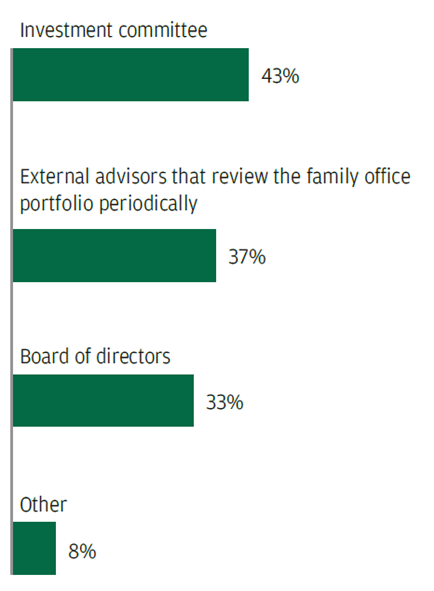
Governance for the Family Office (Global By Assets Under Supervision)
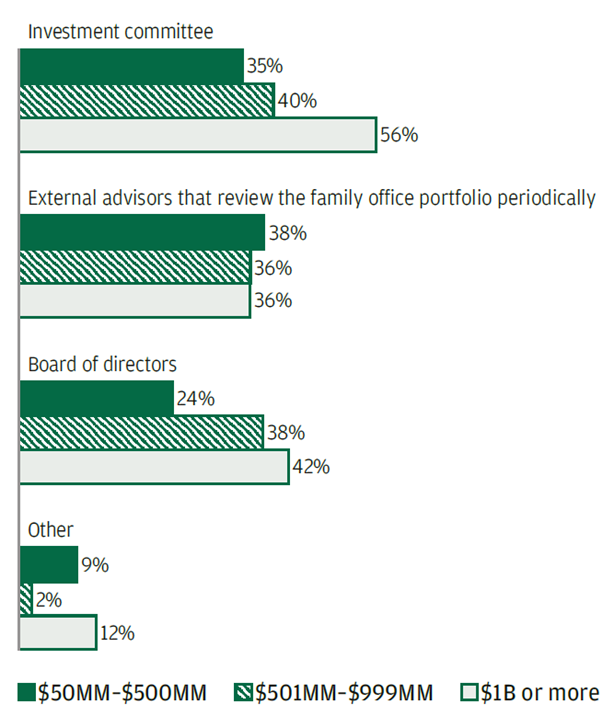
Source: JP Morgan 2024 Global Family Office Report
Leading family offices embed:
- Investment policy statements that guide behaviour
- Committee structures with real authority
- Risk limits that are monitored and strictly adhered to, not ignored by personalities
- Post-decision reviews to improve future judgement
This is a continuous improvement process from the family office.
Key Takeaway
Wealth that lasts is built on systems that make good decisions repeatable and bad decisions harder to make.
#BehavioralFinance #DecisionMaking #WealthPreservation #FamilyOffice #AssetManagement