

Private markets were once defined by illiquidity. That is changing with introduction of different liquidity tools.
With traditional exit windows through IPO and M&A more limited, new tools like Secondary Funds and NAV Lending have moved from the fringe to the core of institutional portfolio management. They are transforming how institutions manage liquidity, risk, and portfolio construction within private assets.
Why Liquidity Tools Matter Now
- Extend Hold Periods: Companies are staying private longer, delaying capital distributions to LPs.
- Portfolio Rebalancing: Investors need tools to manage over-allocation or denominator effects.
- Opportunistic Capital: Secondaries allow investors to buy into high-quality vintages at a discount.
Private Market Liquidity Strategies
- LP Secondaries: Buying existing interests in private equity funds from other investors.
- GP-Led Secondaries: When a manager creates a continuation fund to hold assets longer.
- NAV Lending: Borrowing against the total value of a private portfolio to generate immediate cash without forced sales.
Rise of the Secondaries Market
Secondary Market Volume Growth
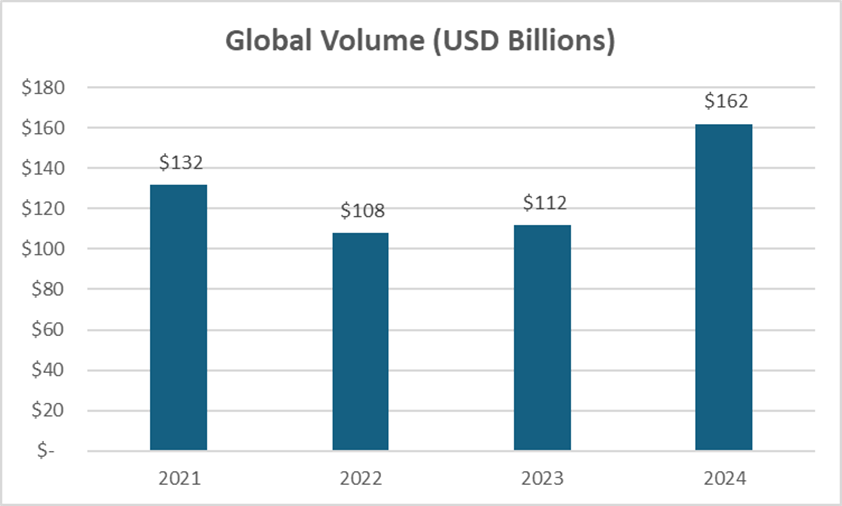
Source: Jefferies Global Secondary Market Review.
Secondary transactions have enjoyed strong growth, rebounded from the lows during the pandemic, driven by:
- Longer fund lives
- Slower exits
- Investors seeking portfolio rebalancing
For buyers, secondaries offer:
- Discounts to NAV
- Shorter duration
- Reduced blind-pool risk
For sellers, they provide optional liquidity without forced exits.
NAV Lending: Tool or Trap?
NAV-based lending allows funds to borrow against portfolio value rather than asset-level leverage. When used prudently, this can:
- Bridge timing gaps
- Smooth distributions
- Reduce forced asset sales
As a double-edged sword, it can:
- Mask underperformance
- Increase systemic risk and amplify losses
- Delay inevitable write-downs
Risks Involved
- Complexity: Pricing secondaries requires deep due diligence into the underlying portfolio companies.
- Leverage Risk: Excessive NAV lending can amplify losses if the underlying asset values decline.
- Market Timing: Secondary discounts can widen significantly during periods of high volatility.
What Institutions Do Differently
Sophisticated investors evaluate:
- Leverage transparency
- Use-of-proceeds discipline
- Alignment of incentives
- Impact on long-term returns
Key Takeaway
Liquidity tools are neither good nor bad — discipline determines outcomes. Family offices should embrace these innovations selectively, with clear governance and downside analysis.
#PrivateEquity #PrivateCredit #Alternatives #FamilyOffice #AssetManagement #FTCPInsights